Nature Studies for Warm Weather Learning (A Simple Weekly Plan)
When the heat settles in and the garden is at its most alive, nature study becomes the easiest kind of school there is. The classroom moves outside, lessons shorten, and the living world does most of the teaching.
This is one of those stretches of the year where we slow down indoors and speed up outside. If your family learns year-round like ours, warm weather is simply a shift in rhythm — not a break from learning.
Here is a simple five-day framework we use to make the most of it.
What Makes Warm-Weather Learning Different
The heat changes everything — attention spans, outdoor timing, what’s blooming, and which creatures are active. Rather than fighting those shifts, this plan works with them. Lessons are short and early. Observation is the main tool. Your child’s curiosity does the rest.
A Simple Five-Day Nature Week
Day 1: Heat & Habitat Observation
Compare shaded and sunny spots in your yard or a nearby park. Check soil moisture, temperature, and insect activity in both. Children begin to see how environment directly shapes life — which plants are wilting, which insects are hiding, which ones are thriving.
Day 2: Pollinator Focus
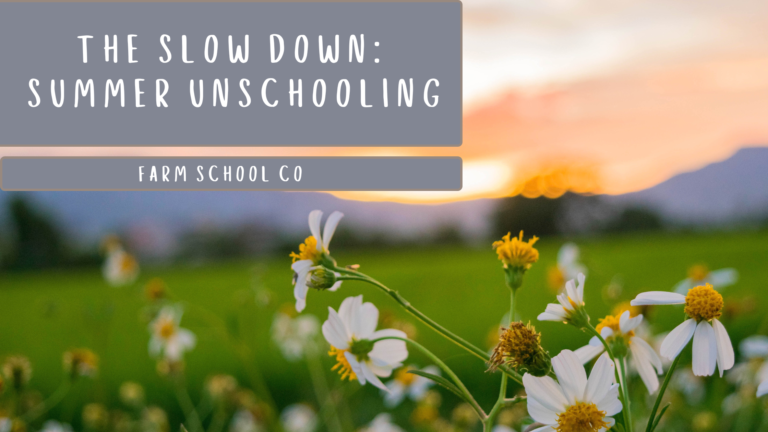
Choose one flower patch and watch it for two short windows — morning and midday. Track which visitors arrive, how long they stay, and which flowers get the most attention. Discuss how heat and bloom timing affect pollinator behavior.
Day 3: Plant Stress Check
Walk your garden or a local green space and look for signs of stress — drooping leaves, color changes, dry edges, curling stems. Talk about what plants need and how they communicate when those needs aren’t being met. This is real, observable plant science.
Day 4: Evening Nature Walk
Head out in the cooler hours — late afternoon or after dinner works beautifully. Notice what changes: the sounds, the light, which creatures emerge. This teaches daily cycles and animal behavior patterns in the most natural way possible.
Day 5: Naturalist’s Recap
Ask your child to explain one pattern they noticed this week and one way living things adapted to the conditions. No worksheet needed — a conversation over breakfast is perfect. Narration like this builds scientific thinking more than any fill-in-the-blank ever could.
Repeat & Compare
The real magic happens when you run this same five-day loop again in a few weeks and compare what changed. Which blooms have finished? Which insects have appeared? Which plants have set seed? You’re building a real, living science record — and your child is the scientist.
Studies That Pair Beautifully With Warm-Weather Learning
If you want to go deeper on any of the topics that come up naturally during this time of year, these Farm School Co nature studies are built for exactly this kind of learning.