The Underground Architects: How to Build a Worm Hotel
If you’ve ever had a child who lights up when they find one wriggly worm in the garden, this lesson is for you. A worm hotel looks simple, but it teaches ecology, soil science, and responsibility in a way kids can actually see day by day.
Most parents want hands-on science, but the struggle is making it feel doable on a real homeschool schedule. This post solves that with a guided, practical rhythm.
What we’re building this week
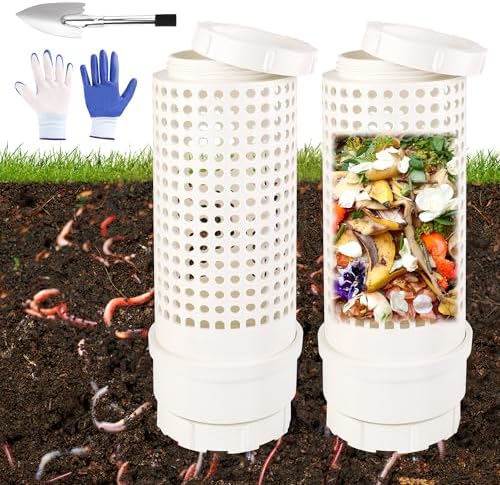
A simple worm hotel that helps your child observe decomposition, moisture balance, and how earthworms support healthy soil.
Day 1: Build + Set Expectations
Use a clear container with layered bedding (damp paper, leaves, a little soil). Add a few worms and explain that we are creating a habitat, not a toy. Real-life application: children begin to understand stewardship and living-system needs.
Day 2: Observe Movement + Moisture
Check where worms are gathering. Is the bedding too dry or too wet? Talk about why worms avoid extremes. This is early environmental science with direct feedback.
Day 3: Feed + Decomposition Lesson
Add a small amount of approved scraps (vegetable peels, no heavy citrus). Ask your child to predict what will break down fastest and why.
Day 4: Soil Check + Vocabulary
Look for castings and changes in texture. Introduce simple terms like habitat, decomposition, and nutrients. Keep it conversational.
Day 5: Reflect + Apply to Garden
Ask: “How do worms help plants?” Connect castings to healthier soil and better root growth in your garden beds.
By the end of this lesson, your child should understand that worms are ecosystem helpers, decomposition has a process, and soil health directly impacts food growth.
What’s next
Extend to a 2-week observation cycle and have your child log one change per day. Then apply what you learned to compost or raised-bed care.
For a deeper, open-and-go extension with experiments, activities, and notebook pages: