The Magic Beneath the Surface: The Science of Lima Bean Germination
To a child, a dry lima bean looks like a smooth, white stone. It is hard, silent, and seemingly lifeless. But inside that protective shell lies a biological masterpiece waiting for the perfect moment to wake up. At Farm School Co., we believe that understanding the “how” behind the growth helps children develop a deeper reverence for the food on their plates and the earth beneath their boots.
Today, we’re cracking the code on germination.
The Three Keys to the “Wake Up” Call
A seed won’t grow just anywhere. It is programmed to stay dormant until three environmental conditions are met:
- Water: To soften the outer shell.
- Warmth: To signal that the season is right.
- Oxygen: To allow the seed to breathe as it begins to burn energy.
Inside the Lima Bean: A Tiny Suitcase
The lima bean is the perfect specimen for young naturalists because its parts are large and easy to identify. Think of the seed as a tiny suitcase packed for a journey.
- The Seed Coat (Testa): This is the tough outer “luggage” that protects the delicate insides from insects and cold.
- The Cotyledon: This is the “packed lunch.” Since the seed is underground and can’t use the sun for energy yet, it eats this starchy store of food to fuel its climb to the surface.
- The Embryo: The actual baby plant. It consists of the radicle (the first root) and the plumule (the first true leaves).
The Step-by-Step Transformation
When you start your lima bean lab this week, watch for these specific stages of growth:
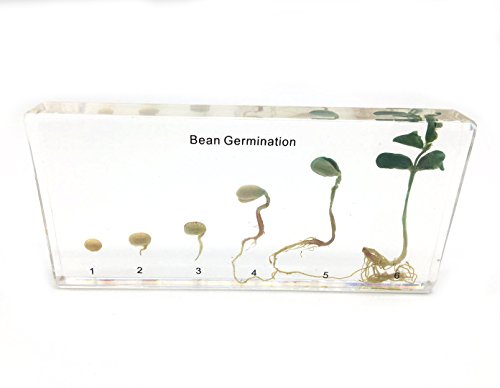
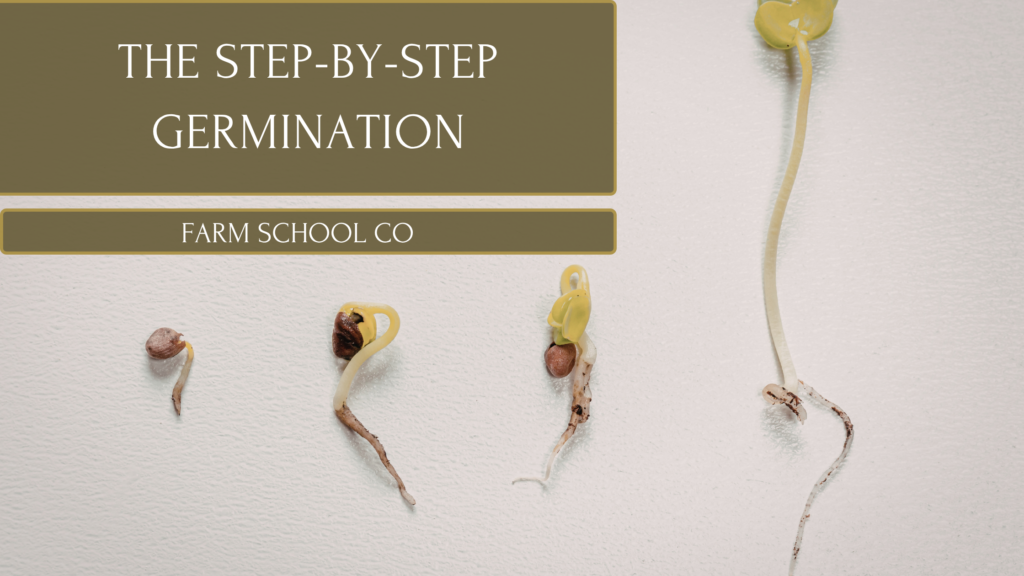
Stage 1: Imbibition (The Big Drink) The bean absorbs water and swells, sometimes doubling in size. You’ll notice the seed coat start to wrinkle and then pull tight as the insides expand.
Stage 2: The Radicle Emerges The very first thing to break through the shell is the root. It doesn’t grow toward the light; it grows toward gravity (geotropism), anchoring the plant and searching for more water.
Stage 3: The Hypocotyl Hook As the stem grows, it forms a little “hook” that pushes up through the soil. This protects the fragile leaves from being damaged by the dirt as the plant breaks the surface.
Stage 4: The Unfurling Once the hook hits the light, it straightens out. The seed coat falls away, and the first leaves (plumule) unfurl to begin the process of photosynthesis.
Farm School Lab: The “Zipper Bag” Observation
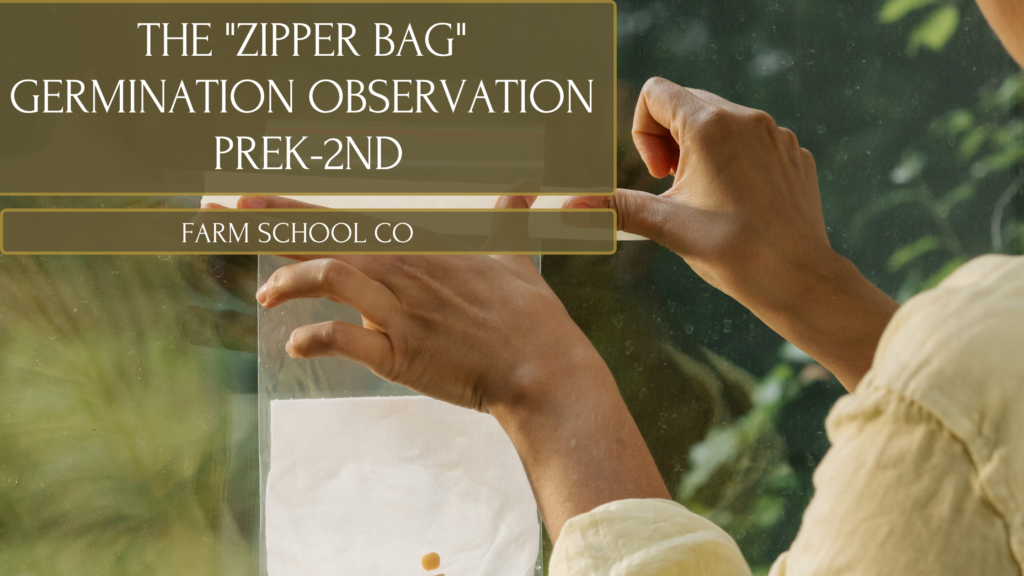
To see this science without the mess of soil, try the Window Garden method:
- Place a damp (not soaking) paper towel inside a clear zip-top bag.
- Set 2–3 lima beans on the towel.
- Tape the bag to a sunny window.
- Observation Task: Have your student draw the bean every morning. Use a ruler to measure how many millimeters the radicle grows in 24 hours!
For a deeper exploration of germinations packed with more experiments, activities, art and wonder check out our Lima Bean Germination Nature Study.

Sage & Soil Tip: Use a vintage-style magnifying glass during your observations. It slows the children down and encourages them to look for the tiny veins in the emerging leaves, turning a simple science lesson into a moment of wonder.
Happy Growing, The Farm School Co. Team