Following the Flight of the Jeweled Pond Guardian
Dragonflies are the ultimate pilots of the insect world. Capable of flying in six different directions—including backward, upside down, and…
Farm School Co Blogs
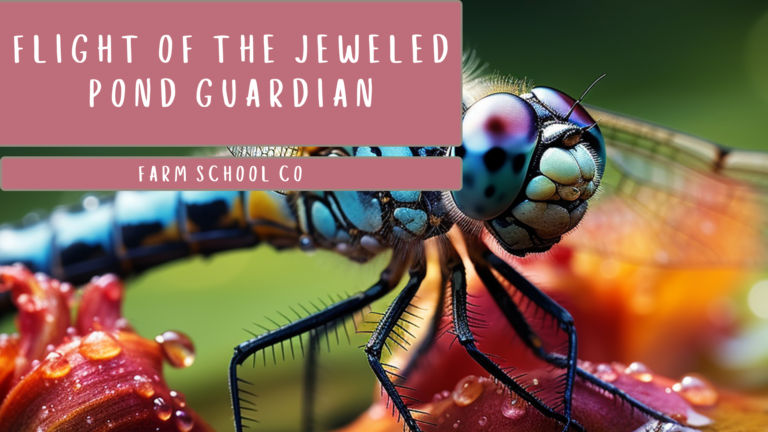
Dragonflies are the ultimate pilots of the insect world. Capable of flying in six different directions—including backward, upside down, and…
When the calendar flips to June, a collective sigh of relief echoes through the homeschool community. The heavy textbooks…
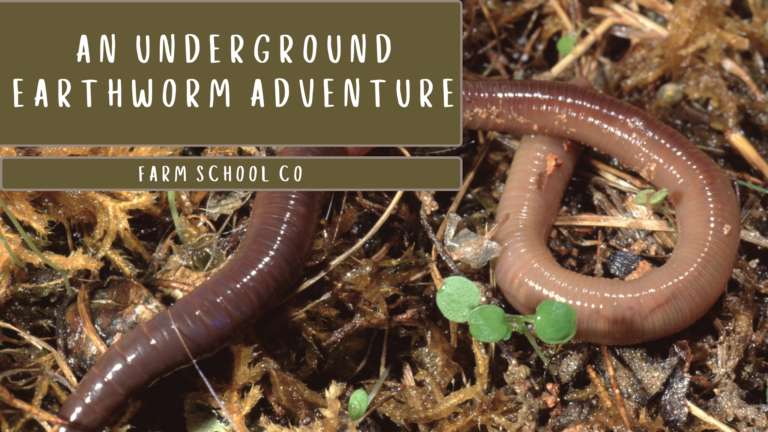
Let’s face it: earthworms often get a bad rap for being “yucky” or slimy. But beneath our feet, these little…
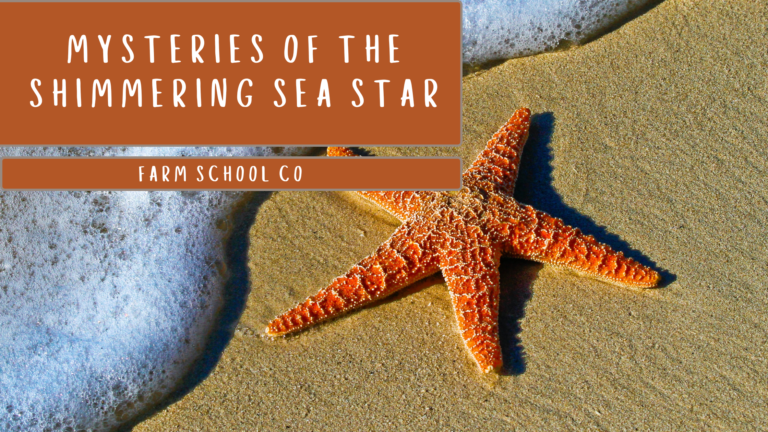
If your kids think starfish are just pretty, passive decorations sitting at the bottom of a tide pool, they…
Every spring, homeschool parents face a familiar fork in the road. One path is lined with colorful summer bridge…
Let’s be honest for a moment: Sunday night lesson planning can carry a heavy dose of mom-guilt and dread….
If your kitchen table currently looks like a graveyard of half-finished worksheets and sharpened pencils that your kids keep…
The transition from a traditional classroom mindset to a “farm school” rhythm can feel a bit like moving from…
Let’s be honest: “Go play outside” is a phrase that sometimes results in kids standing on the back porch…
Between the spreadsheets of a corporate accounting career and the daily chores of life on the farm, I’ve learned…
As a corporate accountant by day and a homesteader by heart, I know exactly how precious your time is….
Spring in the Midwest—and everywhere else—is a masterclass in resilience. One day you’re looking at a brown, dormant field,…
Bird watching is one of the most accessible “entry points” into ethology—the study of animal behavior. You don’t need…
There is a specific kind of magic that happens when a “nature walk” transforms into a “Nature Quest.” Suddenly,…
We’ve all seen those stunning nature journals on social media—the ones filled with watercolor masterpieces, perfect calligraphy, and detailed…
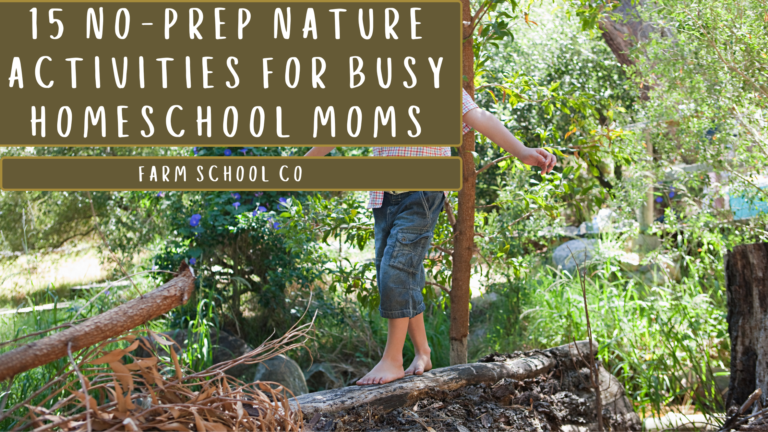
Let’s be real: we all love the idea of the elaborate nature craft with hand-pressed ferns and homemade beeswax…
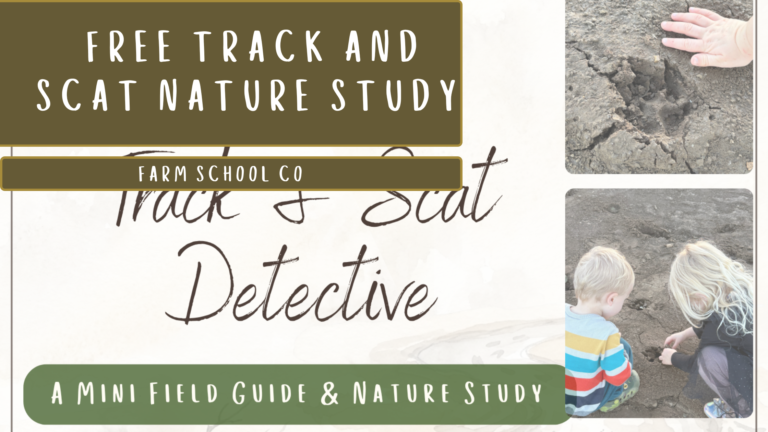
There is a quiet, hidden language written in the mud near the creek and the soft dust of the…
Rigid schedules fall apart. Loose ones drift. Here’s how to build a seasonal homeschool rhythm that actually holds — from a corporate accountant turned homeschool mom who learned this the hard way.
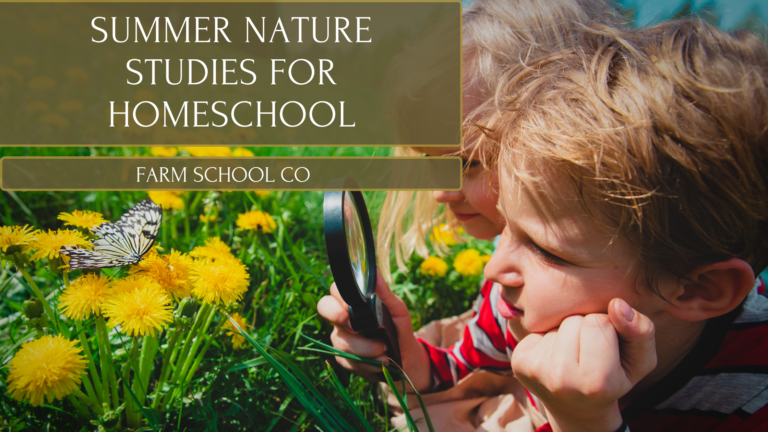
When the heat settles in and the garden is most alive, nature study becomes the easiest kind of school there is. Here’s a simple five-day framework for warm-weather learning — no break required.
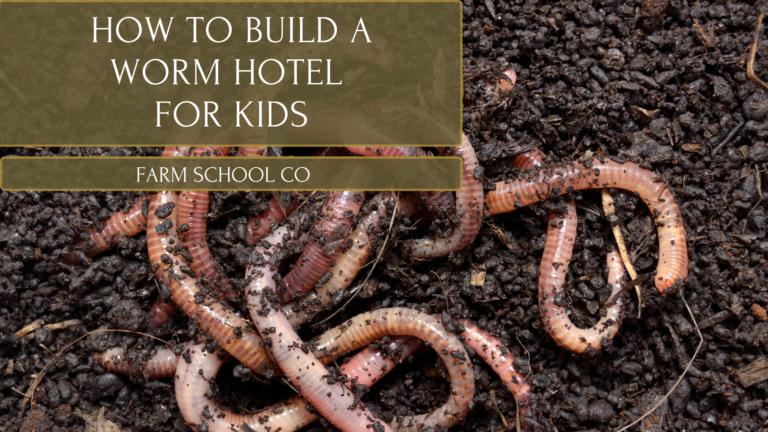
A worm hotel is one of the best hands-on science projects for early learners — it teaches soil ecology, decomposition, and quiet observation in a way children can see changing day by day. Here’s how to build one with what you already have.
If you’re wondering whether nature study counts as “real” science, the answer is yes — and often more effectively than a textbook. Here’s a clear, honest comparison for homeschool families weighing their options.
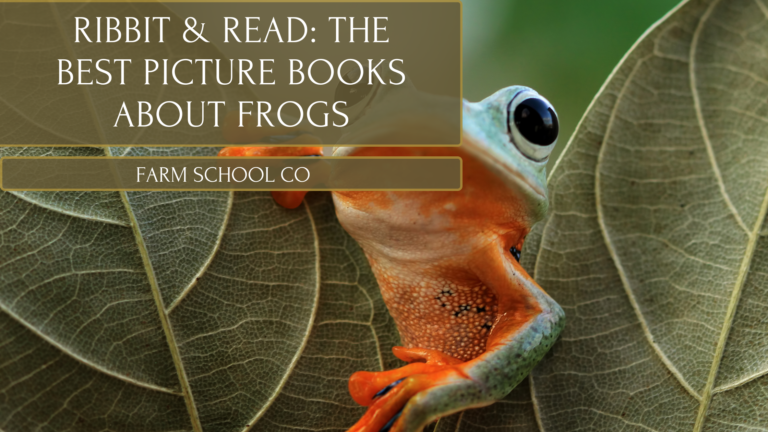
Frogs are one of the best early science topics because children can actually watch the life cycle happen. Here are the strongest frog picture books for young learners — curated for both scientific accuracy and genuine warmth.
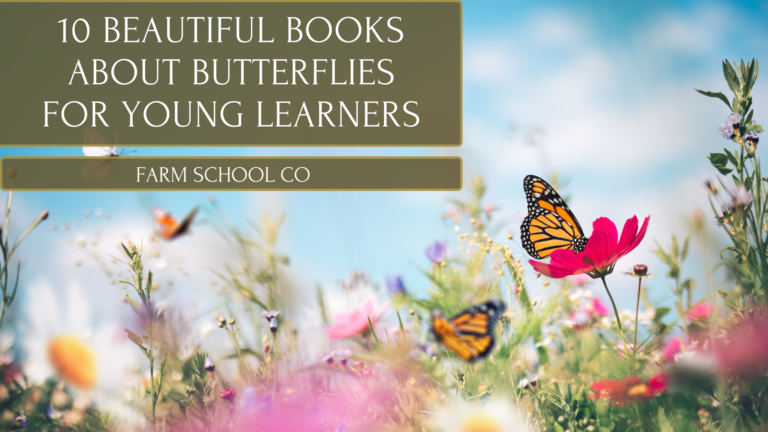
The right butterfly book sparks wonder and gives children language for what they’re seeing outside. Here are ten genuinely beautiful books about butterflies for young learners — with a quick blurb on each so you can choose well.
To a child, a dry lima bean looks like a smooth white stone. Inside, it’s a biological masterpiece. Here’s the science of germination explained in a way that makes young children slow down and actually look.
Apples are one of the best learning topics for preschool and early kindergarten — familiar, hands-on, and rich with science, math, and sensory possibility. Here’s a complete 3–5 day mini unit study.
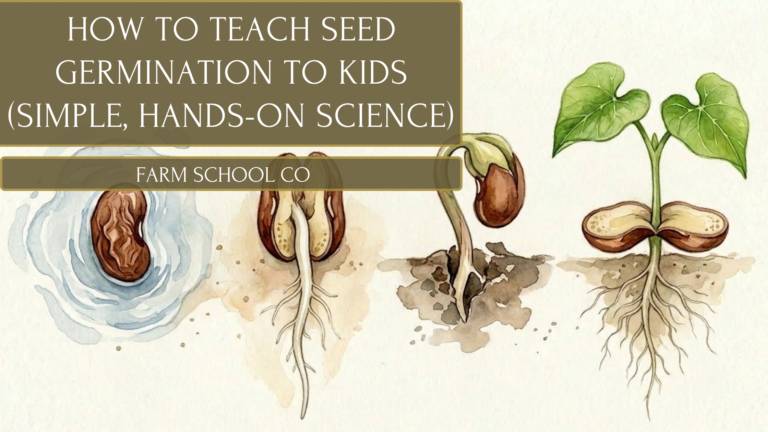
Seed germination is one of the most visual, fast, and inexpensive science lessons you can do with a young child. Here’s exactly how to teach it in a way that sticks — with a window jar your child will check every single morning.
Honeybees are one of the best nature study topics for young learners. They connect science, gardening, ecosystems, and food…
What’s the difference between a guardian animal and a predator? Here’s a simple, honest explanation that helps young children understand farm animal roles without labeling any creature as “bad.”
If you’ve ever seen a large white dog standing quietly in a field, that’s a livestock guardian at work. Here’s a simple, kid-friendly explanation of what they do, why they do it, and why it matters.
You don’t need a lab coat or a lesson plan. Here are five ways to weave real science concepts into ordinary moments with a preschooler — without them ever realizing they’re learning.
Nature study gets a bad reputation for being vague or unstructured. Here are the three biggest misconceptions — and why the “messy” approach is actually the most scientifically sound one.
You don’t need expensive gear to start nature journaling. Here’s the honest, minimal list of what you actually need — and a few things that look useful but aren’t.
Not all nature-based curricula are created equal. Here’s what to actually look for — and what to avoid — when choosing a nature-based homeschool curriculum for your PreK–2 learner.
How do animals stay warm when temperatures drop? A nature-based look at animal adaptations in winter — including the difference between hay and straw, hibernation vs. torpor, and the surprising science of staying cozy.
When motivation dips and the rhythm falls apart, kitchen science saves the day. These five experiments use things already in your pantry and teach real concepts like states of matter, density, and chemical reactions.
Farm animals are hiding some extraordinary science. Here are four genuinely surprising animal facts — far beyond “moo” and “oink” — that will make your next farm visit feel like a field trip into animal behavior research.
Nature deficit disorder is real — and so is the fix. Here are 30 simple, science-backed ways to get your children outside and engaged with the natural world, even when the weather pushes back.
Farm chores in winter teach children more science than a textbook ever could. Here’s what a hammer, a frozen water trough, and a curious child have in common — and how to turn it into a real lesson.
Real-life learning happens when children are rooted in the natural world around them. Here’s how Farm School Co brings farm-based nature science into your home — no barn required.