
Following the Flight of the Jeweled Pond Guardian
Dragonflies are the ultimate pilots of the insect world. Capable of flying in six different directions—including backward, upside down, and…
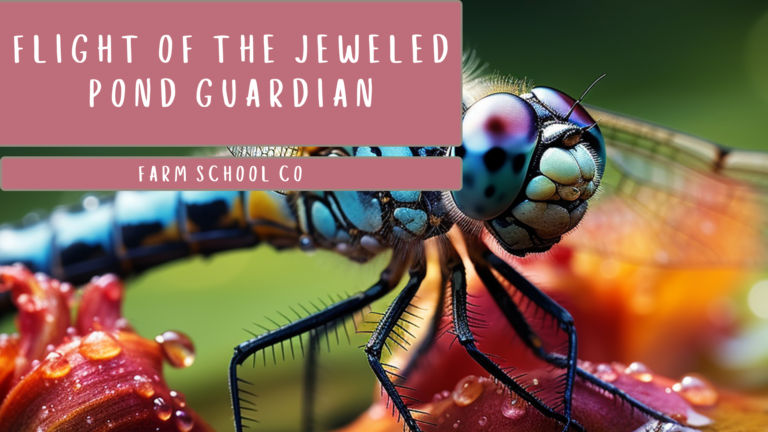
Dragonflies are the ultimate pilots of the insect world. Capable of flying in six different directions—including backward, upside down, and…
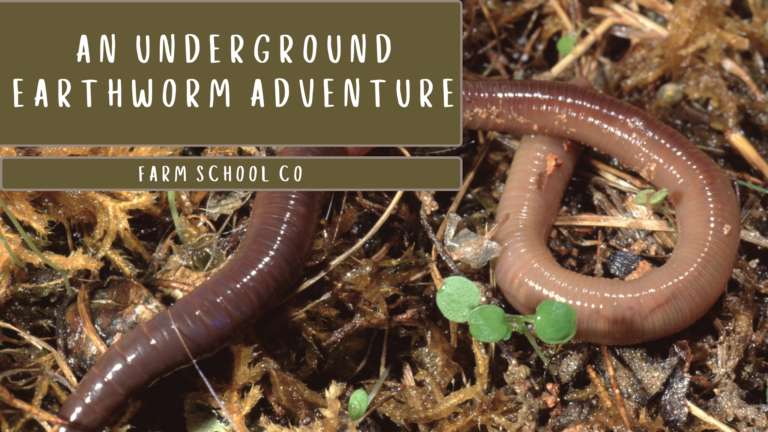
Let’s face it: earthworms often get a bad rap for being “yucky” or slimy. But beneath our feet, these little…
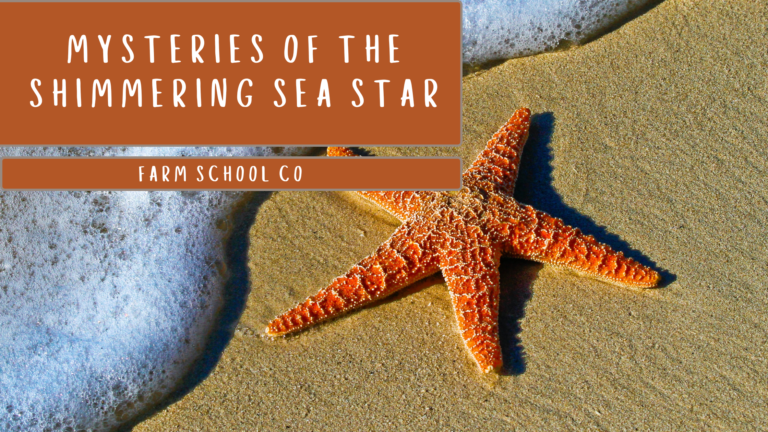
If your kids think starfish are just pretty, passive decorations sitting at the bottom of a tide pool, they…
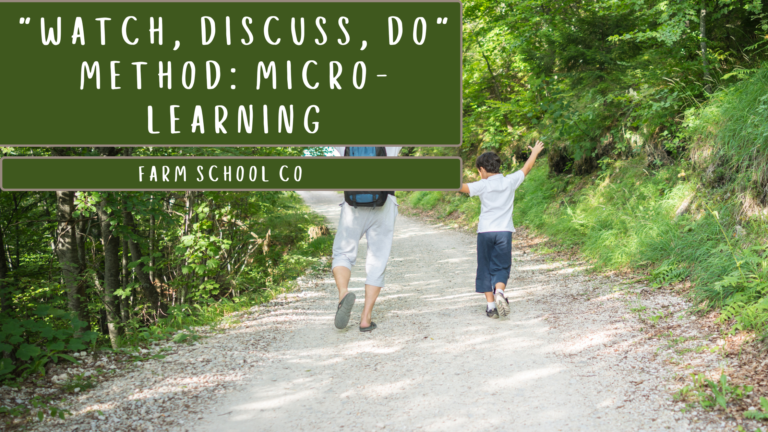
Let’s be honest for a moment: Sunday night lesson planning can carry a heavy dose of mom-guilt and dread….
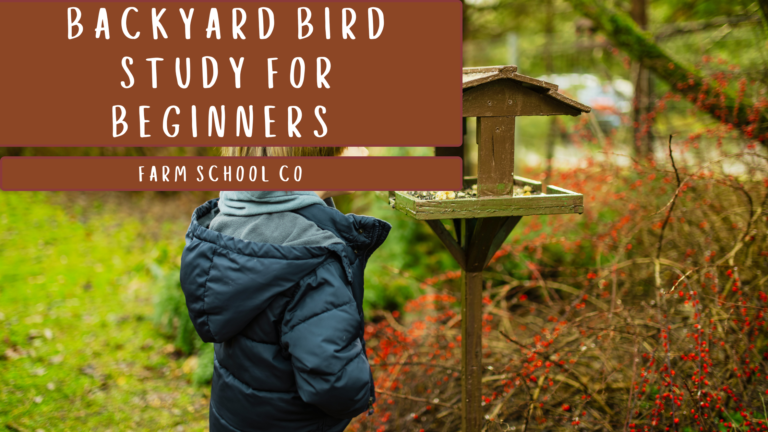
Bird watching is one of the most accessible “entry points” into ethology—the study of animal behavior. You don’t need…
You don’t need a lab coat or a lesson plan. Here are five ways to weave real science concepts into ordinary moments with a preschooler — without them ever realizing they’re learning.
How do animals stay warm when temperatures drop? A nature-based look at animal adaptations in winter — including the difference between hay and straw, hibernation vs. torpor, and the surprising science of staying cozy.
When motivation dips and the rhythm falls apart, kitchen science saves the day. These five experiments use things already in your pantry and teach real concepts like states of matter, density, and chemical reactions.
Farm animals are hiding some extraordinary science. Here are four genuinely surprising animal facts — far beyond “moo” and “oink” — that will make your next farm visit feel like a field trip into animal behavior research.
Farm chores in winter teach children more science than a textbook ever could. Here’s what a hammer, a frozen water trough, and a curious child have in common — and how to turn it into a real lesson.