Backyard Bird Study for Beginners (Simple Family Plan)
Bird watching is one of the most accessible “entry points” into ethology—the study of animal behavior. You don’t need a remote forest or a mountain range; you just need a window and a few quiet minutes.
If you’ve wanted to introduce bird study to your homeschool but felt overwhelmed by the hundreds of species in your field guide, take a deep breath. You don’t need to be an ornithologist to start. Here is a simple, no-stress plan to get your family started this week.
1. Create a “Home Base”
Birds are creatures of habit. If you provide a reliable resource, they will come to you. You don’t need an expensive setup:
-
The View: Pick one window in your home (the kitchen or schoolroom is usually best) to be your “Observation Station.”
-
The Draw: Place a simple feeder or even just a shallow dish of water (a birdbath) within sight of that window.
-
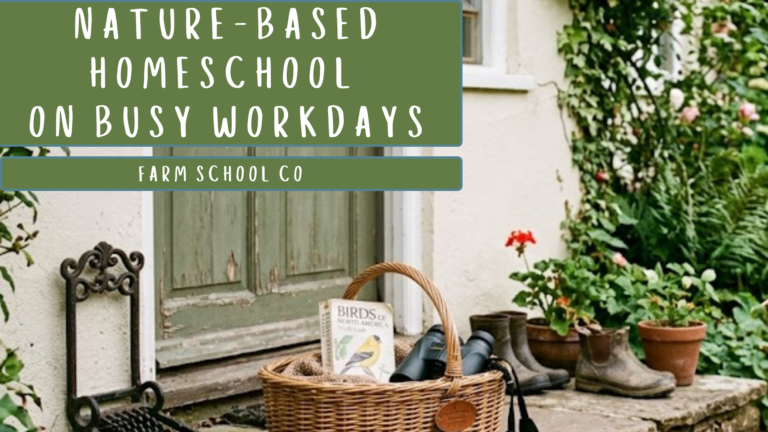
The Tools: Keep your nature journals and a pair of binoculars right on the windowsill. If you have to go to another room to find them, you’ll miss the action!
2. Start with the “Famous Five”
Don’t try to learn every bird at once. Look at a local bird app or guide and pick the five most common birds in your specific area (like the Robin, Northern Cardinal, Blue Jay, Chickadee, or Crow).
-
The Mission: Learn to identify only those five.
-
The Goal: Once your kids can spot a Cardinal from across the yard, their confidence will soar, and they’ll naturally start asking about the “little brown ones” they don’t recognize yet.
3. Observe the Behavior, Not Just the Color
At Farm School Co., we believe in authentic, observation-based learning. Instead of just checking a bird off a list, ask your kids “Lab Style” questions:
-
How does it move? Does it hop with both feet (like a Sparrow) or walk one foot at a time (like a Starling)?
-
Where does it eat? Is it a ground-feeder, or does it prefer the high branches?
-
What is the “vibe”? Is it bold and aggressive, or shy and quick to fly away?
4. Use Realistic Imagery
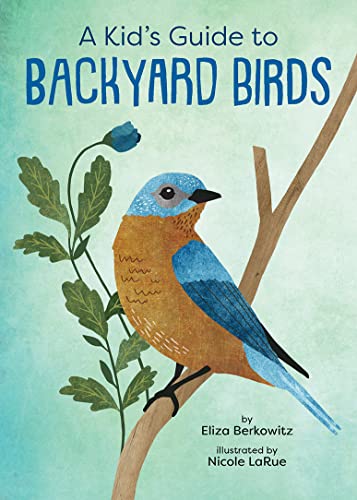
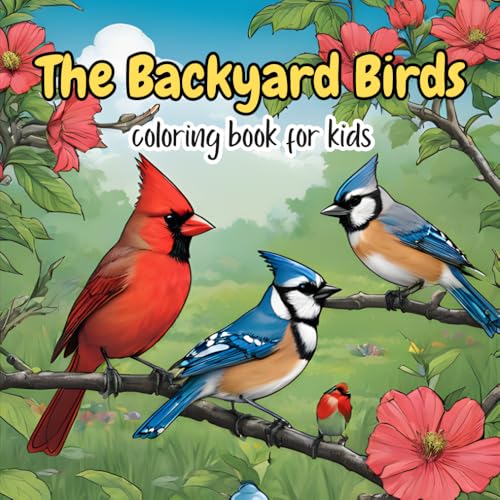
When journaling or studying, skip the cartoons. Using realistic watercolor images or high-quality photographs helps children develop “search images”—the ability to recognize the subtle patterns, beak shapes, and markings found in the wild. When they see a realistic representation in their lesson, they can more easily bridge the gap to the live animal outside.
5. The Weekly “Bird Sit”
Set a timer for just 10 minutes once a week. Sit together by your Observation Station in silence.
-
Minute 1-5: Just watch. Don’t talk, don’t draw. Just look.
-
Minute 6-10: Open the journals. Sketch a beak shape, write down one “I wonder” question, or tally how many birds visited the feeder.
Integration Tip: The Bird Lab
If your kids get “hooked” on our feathered neighbors, this is the perfect time to dive into a dedicated Science Lab. Whether you’re studying the mechanics of flight or the engineering of a nest, focusing on birds allows for a sensory-heavy education that connects the “Sage & Soil” of your backyard to the broader world of science.
Mom-to-Mom Reflection: Some days, the “Bird Study” will just be you and the kids watching a crow chase a hawk while you drink your morning coffee. That counts. You are teaching them to notice the world, and that is the greatest lesson of all.
What is the most common bird that visits your yard? Let’s start our list in the comments!
Recommended Products
The Quiet Watcher Bird Bingo Hummingbird Nature Study Spring Garden Bundle
Amazon Picks