AI Tools and Project-Based Learning: The New Homeschool Toolkit
Two things are showing up in almost every conversation about homeschooling right now: AI tools and project-based learning. On the surface they seem unrelated. One is a piece of technology, and the other is a teaching philosophy. But together they’re reshaping what a homeschool day can look like. Here’s what each actually means in practice, and how to use them without losing the parts of homeschooling that work.
What Project-Based Learning Actually Looks Like
Project-based learning (PBL) means kids learn a subject by working toward a real output rather than by completing isolated assignments. Instead of a history worksheet on the American Revolution, a project-based approach might have a child research a specific battle and build a presentation, write a newspaper from that era, or create a timeline mural. Instead of a chapter test on ecosystems, a project might involve building a terrarium and tracking it over a month.
The appeal for homeschoolers is straightforward: projects naturally combine subjects (that ecosystem terrarium touches science, writing, and math if you’re tracking data), they give kids something tangible to show for their work, and they tend to hold attention better than a worksheet, especially for kids who struggle with traditional instruction.
The catch is that projects take more planning time upfront than pulling a worksheet from a workbook. A good project needs a clear learning goal, not just “build something cool,” or it can turn into busywork that eats a week without much academic payoff.
A simple way to start: Pick one subject this term and commit to one project per unit instead of a test. Keep the first few small, a single afternoon or a few days, so you can gauge how much planning and mess you’re signing up for before committing to bigger ones.
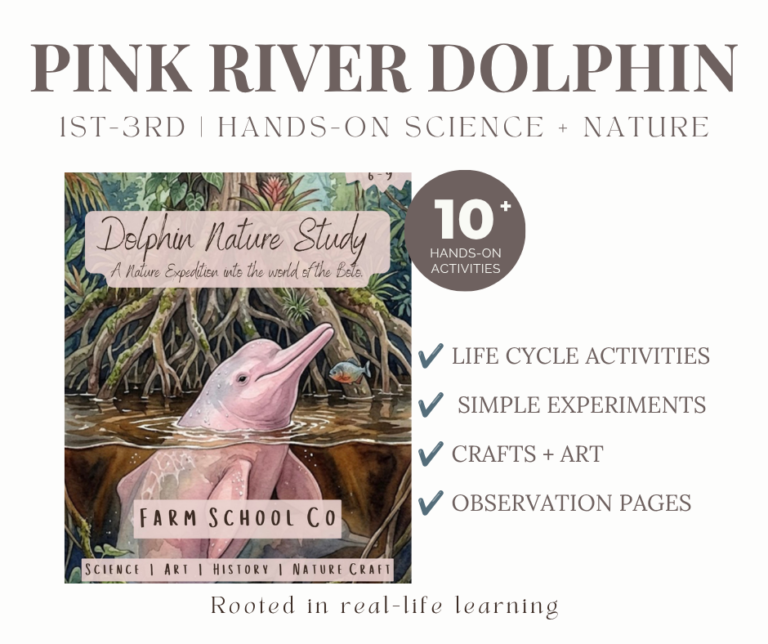
Nature Studies can be a great way to try it out. Learn about one animal deeply and let your child’s interest lead the way.
Where AI Tools Actually Help
AI tools have moved from novelty to normal in a lot of homeschools. The most useful applications tend to fall into three categories:
Adaptive practice. Math and reading platforms that adjust problem difficulty based on how a child is doing, similar to what a good tutor would do, but available any time of day. These are especially useful for the subjects a parent finds hardest to teach or has less confidence in themselves.
Feedback on writing. Tools that give a child feedback on a draft, pointing out unclear sentences or unsupported arguments, before it gets to a parent. This can turn writing from a once-a-day, parent-bottlenecked activity into something a kid can iterate on independently, with a parent reviewing the final version.
Research assistance for older students. For middle and high schoolers, AI tools can help narrow a broad topic into a research question, summarize source material, or explain a hard concept in a different way when a textbook explanation isn’t landing.
The Risk Worth Naming
The obvious risk with AI tools is that they do the thinking for a kid instead of supporting it. A writing assistant that rewrites a paragraph instead of explaining what’s unclear about it isn’t teaching anything. A research tool that hands over a finished summary instead of raw sources skips the actual skill of research.
The families getting real value from these tools tend to set a simple rule: AI can help a kid practice, get feedback, or find a starting point, but it can’t produce the final work. If a project or essay comes back and a parent can’t tell what the child actually did versus what a tool generated, that’s a sign to pull back and have the child redo it with the tool closed.
It’s also worth talking to older kids directly about this line. Kids raised without it will use AI tools throughout school, college, and work. Learning now how to use them as a thinking partner rather than a shortcut is itself a skill worth teaching.
Putting Them Together
AI tools and project-based learning actually complement each other well. A child working on a project can use an AI tool to research background information, get feedback on a draft of their write-up, or troubleshoot a coding project, while the project itself keeps the work anchored in something real and evaluable. The AI tool speeds up the parts that used to eat the most time (research, first-draft feedback, generating practice problems), while the project keeps the learning genuine.
If you’re new to both, don’t try to implement everything at once. Pick one subject for a project-based trial this month, and pick one AI tool to try for practice or feedback in a subject you find hardest to teach. See what actually saves time and improves understanding, and drop what doesn’t. The goal isn’t to chase every new trend, it’s to find the specific combination that works for your kids this year.
Visit our homepage to sign up for our newsletter and keep up to date.