30 Ways to Fight “Nature Deficit Disorder” This Winter (Yes, Even in the Cold!)
It happens every year in January. It’s gray outside, the holidays are past, and all of a sudden, we’re all a little grouchy.
This emotion has a name, though. It is known as Nature Deficit Disorder.
Our kids’ moods plummet when they spend too much time inside under fake lights. Their sleep gets messed up. They begin to bounce off the walls. When it becomes cold, our impulse as parents is to stay indoors, but evidence shows that kids need time outside. This is especially true when the weather turns cold.
But I know that the hardest part is getting out the door. The whimpering, the coats, and the boots. For five minutes of play, it can feel like a lot of work.
That’s why I started the “Get Outside” Challenge for 30 days.
These aren’t massive trips. They are short, 5-minute bursts of curiosity meant to get you outside and breathing fresh air. A lot of them also sneak in a little science lesson!
In fact, winter is one of the best times for science. In our Farm School Co nature studies, we talk a lot about how the natural world changes with the seasons and how animals adapt to stay warm. In the winter, you can learn things about science that you couldn’t learn in the summer.
Physics: Water freezes (solidification).
Biology: Animals adapt by growing thicker coats.
Weather: You can see snow, frost, and wind.
You don’t need a book to teach this. You only have to go on the porch.
30 Ways to Enjoy the Outdoors
This winter, pick a few for the weekend or try one every day!
- Tracing the Shadow of a Toy
Do: Put a toy farm animal on paper in the sun. At 9 AM and noon, follow the shadow.
“Why did the shadow move?” The world is spinning!
2. The Jar for the Rain Gauge
Put a mason jar outside when it’s stormy. After an hour, write down the level of the water.
“How many inches of rain did the garden drink today?”
3. Painting in the Snow
Fill spray bottles with food coloring and water. Let kids spray patterns on the white snow.
“Look at how the colored water melts the snow a little bit.” Why?
4. The Test with the Frozen Bubble
When it’s below freezing, blow bubbles. See them change into crystal balls.
“Can you see the ice crystals forming on the bubble skin?”
5. The Wind Vane with a Ribbon
Do: Put a ribbon on a stick. Raise it up high.
“Where is the wind coming from?” “North or South?”
6. The Winter Sensory Hunt
Find something that is colder than your hand and warmer than the air.
“Nature has different temperatures, even on the same day.”
7. Race to Melt Ice Cube
Put one ice cube in the sun and one in the shade. Which one do you think will melt first?
“The sun gives off heat energy even in the winter.”
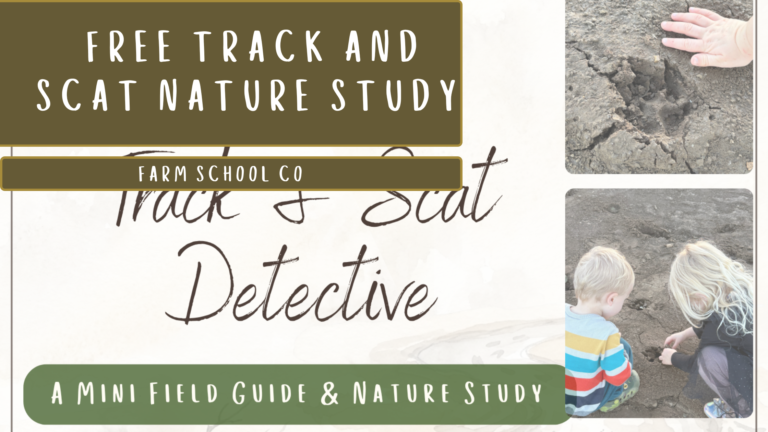
8. Animal Track Detective — Download our free Track & Scat Detective printable!
Do: Check the mud for footprints. Count the toes.
“Who walked here? A squirrel? A dog? A deer?
9. Breath of the Dragon
Do: Breathe warm air into the chilly air to see the “steam.”
“That cloud is the water in your body turning into mist!”
10. Bird feeder made from pinecones
Do: Spread peanut butter and seeds on a pinecone. Put it on a tree.
Talk: “It’s hard to find food in the winter.” We are helping the birds stay alive.
11. The Clean Snow Challenge
Do: Get a cup of clean, fresh snow and melt it inside.
“Snow is just water that has frozen.” Let’s check the amount of water in this cup.
12. Catching Sounds
Do: Count how many different sounds the wind makes as you close your eyes.
“Does the wind sound different when it blows through pine trees and bare branches?”
13. Save the Worms
Do: Walk down the driveway and look for worms that are trying to get away from the moist dirt.
Talk: “When it rains, worms come out so they don’t drown in their tunnels.”
14. The Hunt for Warm Rock
Do: Feel different rocks. Find one that has taken in the heat from the sun.
“Dark rocks keep heat longer,” they say. Animals utilize them like heating pads.
15. Rubbing the texture
Take a crayon and some paper. Rub the bark pattern.
“Bark is like the skin of a tree.” It keeps it warm.
16. Tea Party with Pine Needles
Do: Gather green pine needles (make sure you know what kind they are beforehand!) and smell them.
“Evergreens stay green all winter.” They have a lot of vitamin C in them.
17. Catching Snowflakes
Do: Put black construction paper in the freezer, then go outdoors and catch the flakes.
Talk: “Every snowflake is different. Check out the shapes!
18. The Hunt for the “Wooly Coat”
Do: Look for things that look fuzzy or warm, like dried grass or moss.
“Animals use these things to keep their nests warm.”
19. Math in the Puddle
Jump in five puddles. Give them a rating of tiny, medium, or huge.
“Which puddle made the biggest splash?” “Why?”
20. Training with a compass
Do: Check out where the moss grows on trees (typically on the north side).
“Moss likes the shade,” you say. The sun is south in the northern hemisphere.
21. The “Crunch” Walk
Do: Walk on frozen leaves or grass. Hear the sound.
“The water inside the grass has turned into ice, which makes it crunchy.”
22. Kite made of plastic bags
Do: Put a string on the handles of a supermarket bag. Run!
“Air is real stuff.” It pushes on the bag to make it fly.
23. Finding Lichen
Look for the green and gray crust on trees and rocks.
“Talk: Lichen grows in clean air.” It means the farm is healthy.
24. Engineering an igloo
Do: Put snow into a small mold (like Tupperware) and stack them.
“Packed snow traps air, which keeps heat inside.”
25. The Bakery in the Mud Kitchen
Use old spoons to combine the mud “batter” with the “chocolate chips.”
Talk: “What happens to the dirt when we put additional water on it? It becomes sticky!
26. Count the Birds
Do: Stay still for five minutes. Count the number of birds that fly by.
“Where are they going?” They are probably hunting for seeds or a place to stay.
27. Study of Evergreen Branches
Do: Look at how pine branches flex but don’t break.
Talk: “They bend so that heavy snow slides off instead of breaking the branch.”
28. Making Ice Wreaths
Put berries and leaves in a bundt pan with water. Outside, freeze.
Talk: “We’re freezing art!” When spring comes, it will melt.
29. Racing Clouds
Do: Lie on a dry blanket and watch the clouds go by.
“The wind up there is moving faster than the wind down here.”
30. The Cleanup in Five Minutes
Pick up five bits of rubbish or branches that have fallen.
“We take care of the land, so it can take care of us.”
Changing “Outside Time” into Learning Time A lot of these exercises, like the Frozen Bubble Test or the Shadow Tracing, are small science experiments.
Our Farm School Co nature studies are perfect if you enjoy real-life learning. They take these straightforward ideas and turn them into full science experiences with printable pages, hands-on experiments, and real farm science your kids can connect to.
Browse our full collection of nature studies here: Farm School Co Nature Studies
I challenge you to try only three of these things this week. Find a warm rock, catch some rain, or follow a shadow. Tag us on Instagram; we’ll be able to see what you do this winter!