10 Best Late-Summer & Fall Outdoor Activities
Late summer and early fall offer a natural bridge between summer play and fall routines. The weather is warm, animals are active, and plants are dropping seeds and changing colors.
Here are 10 hands-on, low-prep outdoor activities to spark scientific thinking in early elementary learners without touching a worksheet.
- The “Wool-Sock” Seed Dispersal WalkSlip oversized wool socks over your kids’ shoes and hike through tall grass or a nature path. Afterward, use magnifying glasses to examine how “hitchhiker seeds” (burrs, hooks, sticky coats) latch onto fur and fabric to travel.
- Backyard Acorn & Pod DissectionsSoak fallen acorns or seed pods in water overnight to soften the outer shell. Guide your child in peeling back the coat to inspect the embryonic leaves and stored food inside.
- Mud Kitchen Texture & Density SortingGive kids old pots, bowls, and water to mix dirt, sand, and clay. Challenge them to sort natural materials by texture, weight, and how fast they sink or float in water.
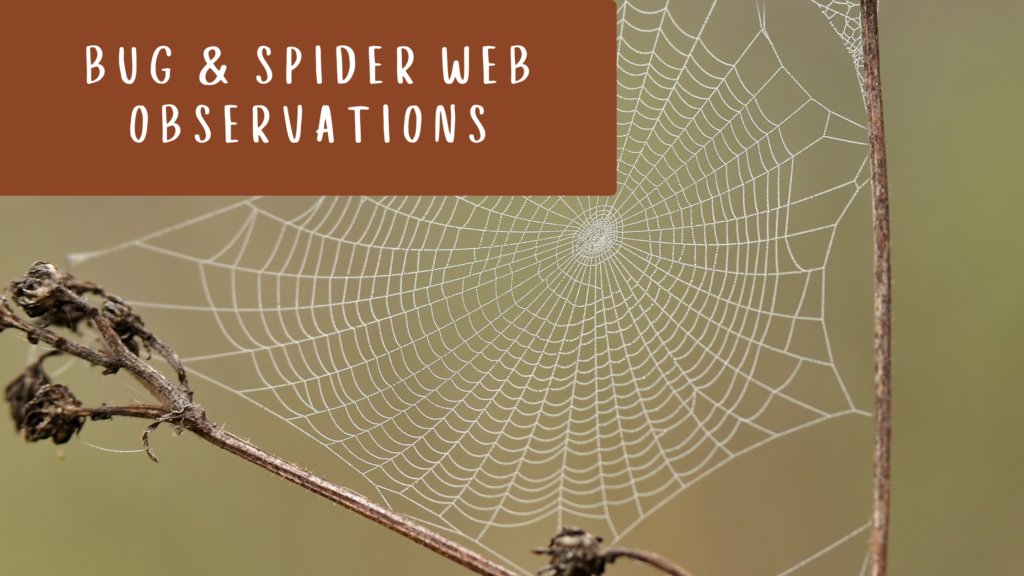
- Late-Summer Bug & Web Observation StationAugust and September are peak times for spiders, grasshoppers, and praying mantises. Mark a 3×3 foot square in your yard with string and log every insect moving through that micro-ecosystem.
- Bark & Leaf Rubbing IdentificationPlace paper against tree trunks or fallen leaves and rub lightly with sideways crayons. Compare bark textures across different tree species to spot age and growth patterns.
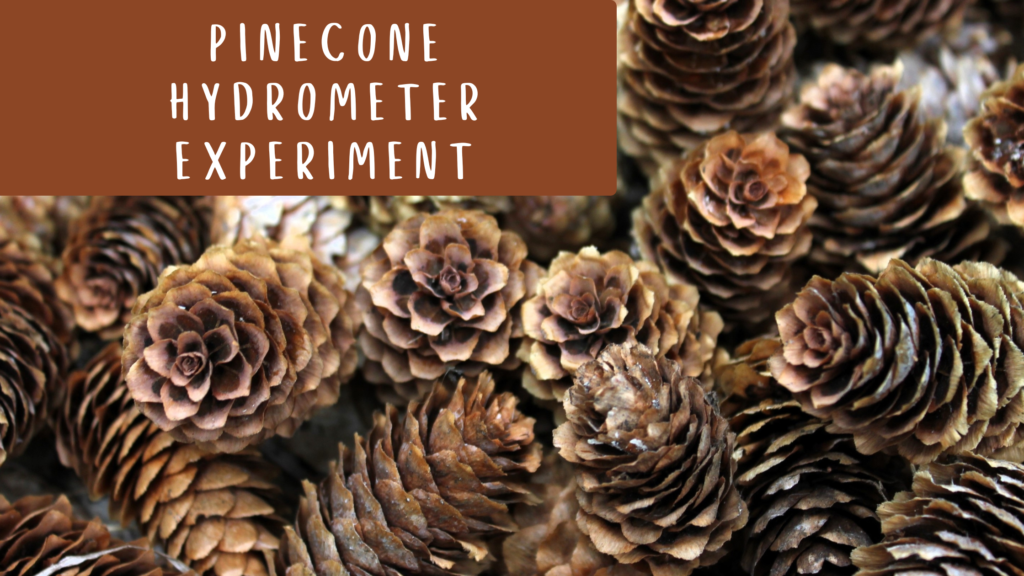
- Pinecone Hydrometer ExperimentCollect pinecones and place one in a warm, dry spot and another in a bowl of water. Kids can watch the pinecone scales close up in wet conditions to protect seeds—a natural weather sensor!
- Natural Color-Match HuntPaint different swatches on an egg carton (sage green, deep red, dry tan, gold) and have your child hunt outdoors for natural objects that match each exact shade.Treehouse Schoolhouse
- Bird Song & Flight LoggingSit quietly for five minutes with an open field log. Have your child mark every bird call they hear and sketch whether the bird flies in straight lines, swoops, or hovers.
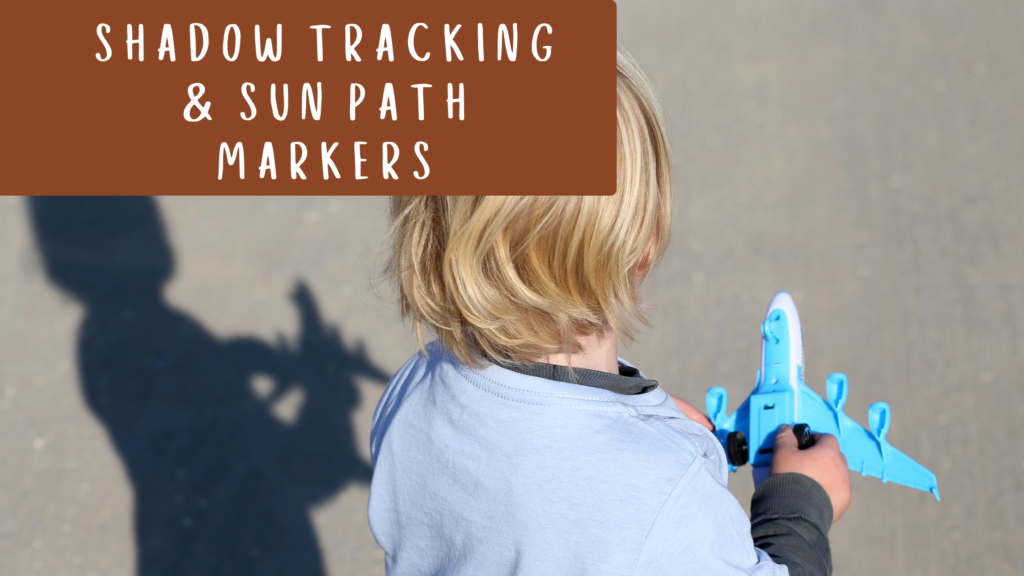
- Shadow Tracking & Sun Path MarkersPlace a stick vertically in the ground at 9:00 AM, 12:00 PM, and 3:00 PM. Use rocks to mark the tip of the shadow each time to visualize how the sun’s position shifts as fall approaches.
- Decomposition Log HuntFind a fallen log or thick layer of leaf mold. Carefully roll it back to observe soil decomposers (isopods, earthworms, centipedes) doing their essential job in the ecosystem.